
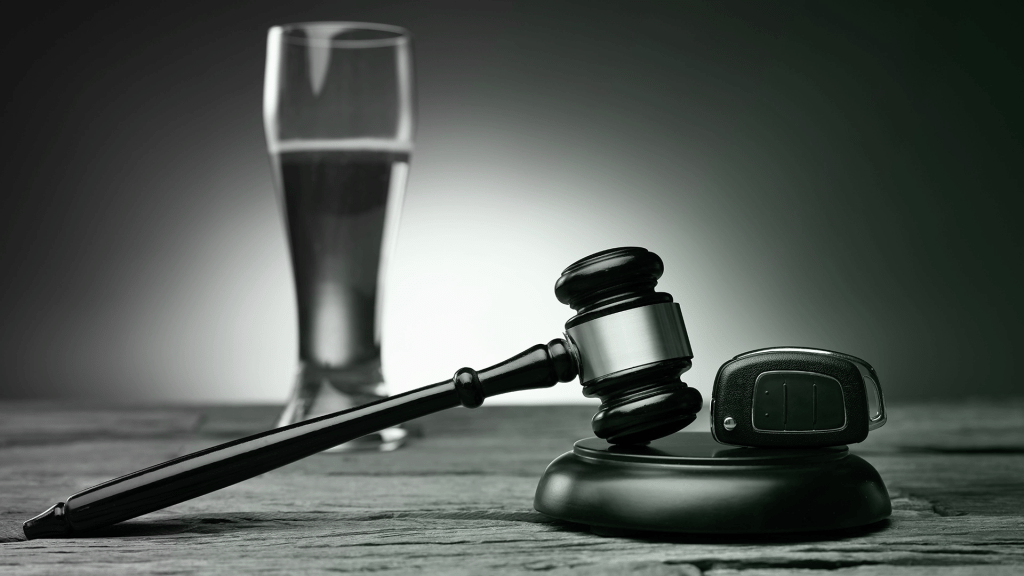
Driving While Intoxicated (DWI) law stands as a crucial element in the legal framework designed to ensure road safety and uphold public health. This area of law specifically addresses the operation of a vehicle under the influence of alcohol or drugs, and it serves as a deterrent against impaired driving.
The essence of DWI law is to define and penalize the act of driving while impaired, which is deemed a serious offense due to the substantial risks it poses to both the driver and others on the road. Typically, these laws are governed by specific thresholds for blood alcohol concentration (BAC) or the presence of controlled substances, which are established to indicate impairment.
In practical terms, DWI laws vary across jurisdictions, but they generally share common principles. For instance, most regions set a legal BAC limit—often 0.08%—above which a driver is presumed to be intoxicated. Beyond BAC levels, some laws also cover drug impairment, encompassing both illegal substances and prescription medications that affect driving ability.
The enforcement of DWI laws involves several procedural steps. Law enforcement officers are trained to recognize signs of impairment through field sobriety tests and breathalyzer measurements. When an individual is suspected of driving under the influence, they may be subjected to roadside tests, and if necessary, arrested and charged based on the evidence gathered.
Penalties for DWI offenses can be severe and vary depending on the jurisdiction and the specifics of the case. Typical consequences include fines, license suspension, and imprisonment. Additionally, repeated offenses or cases involving accidents and injuries can lead to more stringent penalties. Many jurisdictions also require offenders to complete substance abuse programs or community service as part of their sentence.
The legal process surrounding DWI charges involves several stages, including arraignment, hearings, and potentially a trial. Defendants may seek legal representation to navigate these proceedings and ensure their rights are upheld. Legal defenses in DWI cases can range from challenging the accuracy of sobriety tests to questioning the legality of the traffic stop.
Moreover, DWI law intersects with broader public policy issues, such as road safety initiatives and preventive measures. Educational campaigns and strict enforcement practices aim to reduce the incidence of impaired driving and its associated risks. This area of law is continually evolving, with ongoing debates about the effectiveness of various measures and the introduction of new regulations.
In summary, DWI law plays a vital role in maintaining road safety and deterring impaired driving. By setting clear legal standards and imposing significant penalties, it seeks to minimize the dangers associated with driving under the influence. The law’s enforcement and legal processes reflect a commitment to public safety, while ongoing developments in legislation aim to address emerging challenges and improve overall effectiveness.
 Teamip Law